English
 Español
Home / News / Industry News / Commercial Ice Makers: Complete Guide to Types, Capacity, and Applications
News
Honesty, Quality First, And Efficient Service Are The Goals We Shenghai People Will Always Pursue.


Honesty, Quality First, And Efficient Service Are The Goals We Shenghai People Will Always Pursue.
Commercial ice makers are essential equipment for businesses ranging from restaurants and hotels to gas stations and healthcare facilities. These specialized machines produce ice in various forms and quantities to meet the diverse needs of commercial operations. Understanding the different types of ice machines, their capacities, and specific applications enables business owners to make informed purchasing decisions that optimize efficiency and meet customer demands.
The commercial ice machine industry has evolved significantly, offering solutions for every conceivable application. From compact under-counter units producing 50 pounds daily to industrial systems generating over 1,000 pounds per day, modern ice makers combine reliability, energy efficiency, and advanced filtration to deliver consistent ice quality. Selecting the appropriate equipment requires careful consideration of production capacity, ice type, installation requirements, and operational costs.
Content
Commercial ice machines are categorized both by their physical configuration and the style of ice they produce. Each type serves specific operational needs and space constraints, making proper selection crucial for optimal performance.
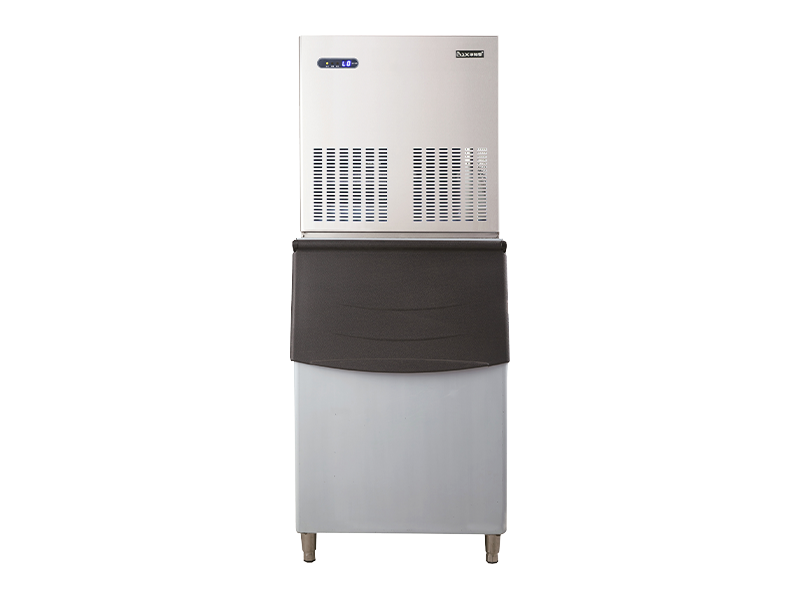
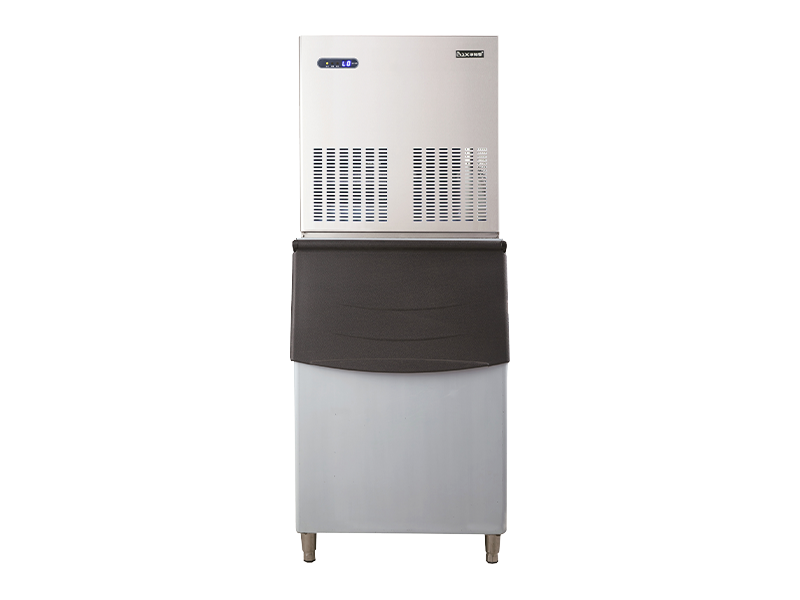
Modular ice machines consist of separate ice-making heads and storage bins, offering maximum flexibility in capacity and configuration. The ice maker head mounts on top of a compatible storage bin, with production capacities ranging from 250 to over 1,400 pounds per day. This configuration allows businesses to match production capacity with storage needs independently. Modular units are ideal for high-volume operations like large restaurants, hotels, and hospitals where consistent ice supply is critical. The separate components also facilitate maintenance and replacement without disrupting the entire system.
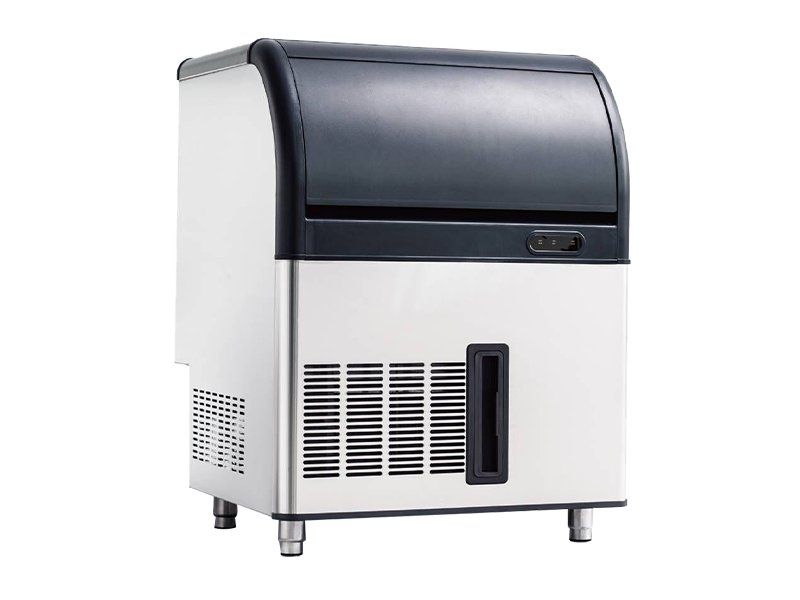
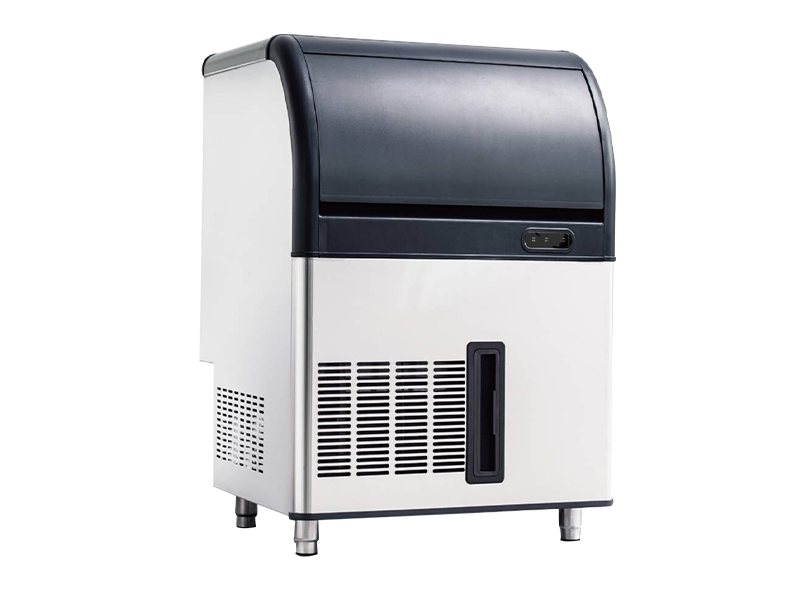
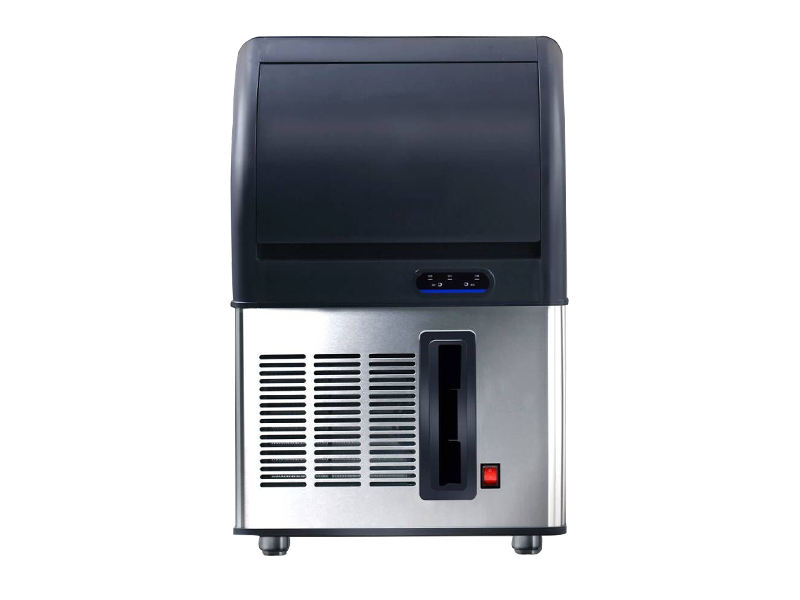
Under-counter ice machines integrate production and storage in a compact footprint designed to fit beneath standard counter heights of 34-40 inches. These self-contained units typically produce 50-350 pounds of ice daily, making them perfect for bars, small restaurants, coffee shops, and office break rooms. The built-in storage bin usually holds 25-80 pounds of ice, providing adequate supply for operations with moderate demand. Under-counter models offer the advantage of point-of-use installation, placing ice production exactly where needed and reducing staff travel time.
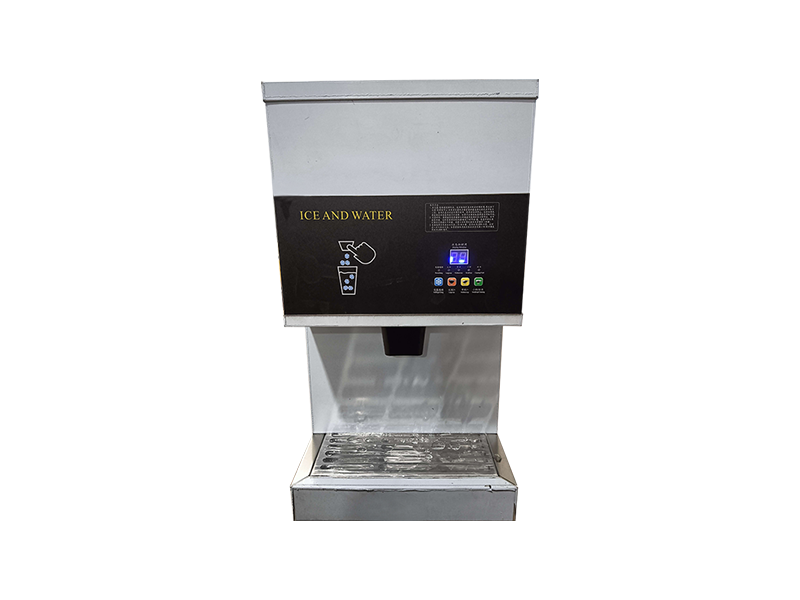
Countertop ice makers and dispensers occupy minimal space while providing both ice production and dispensing functionality. These units produce 80-400 pounds daily and dispense ice directly into cups or containers through a front-mounted chute. Countertop dispensers are common in healthcare facilities, hotel corridors, break rooms, and self-service beverage areas. Many models also dispense chilled water, providing dual functionality in a single unit. The touchless dispensing feature available on premium models enhances hygiene and reduces cross-contamination risks.
Outdoor ice machines withstand environmental extremes while maintaining reliable production. These ruggedized units feature weather-resistant cabinets, enhanced insulation, and components rated for extended temperature ranges from -20°F to 120°F ambient conditions. Outdoor commercial ice machines serve applications like poolside bars, outdoor event venues, construction sites, and marina facilities. Special corrosion-resistant finishes protect against salt air in coastal environments, while reinforced construction resists vandalism in unsecured locations.
Cube ice represents the most versatile and widely used ice style in commercial settings. Full cube ice measures approximately 1.25 inches square and melts slowly, making it ideal for beverages, food displays, and general cooling applications. Half cube ice, measuring roughly 0.875 inches, provides faster cooling with increased surface area while still maintaining reasonable melt rates. Cube ice machines are the standard choice for restaurants, bars, cafeterias, and most food service operations.
Nugget ice, also called chewable or pellet ice, consists of small, soft pieces formed by compressing flaked ice. This ice style has achieved popularity in healthcare settings where patients appreciate its soft, chewable texture. Nugget ice also excels in blended drinks, rapidly chilling beverages while being gentle on blender blades. The high surface area provides rapid cooling, and the ice absorbs beverage flavors, enhancing the drinking experience. Convenience stores and quick-service restaurants increasingly adopt nugget ice to differentiate their fountain beverage offerings.
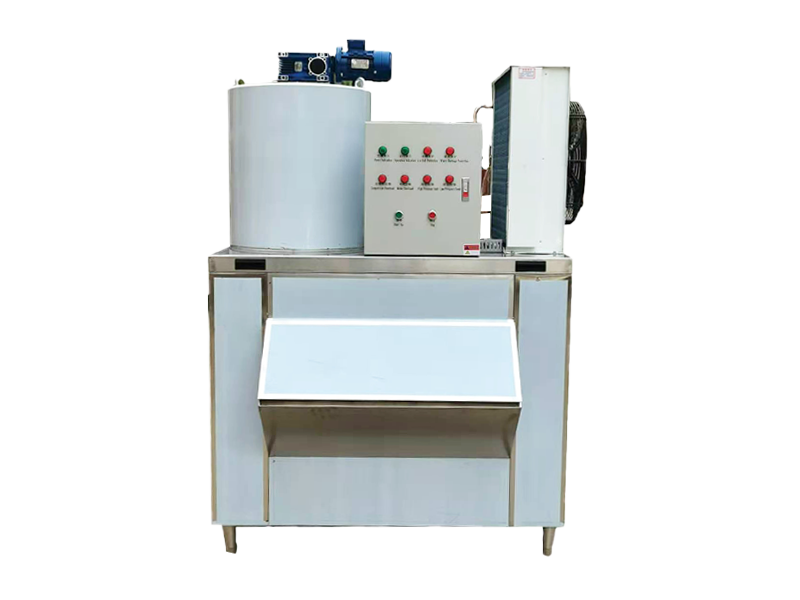
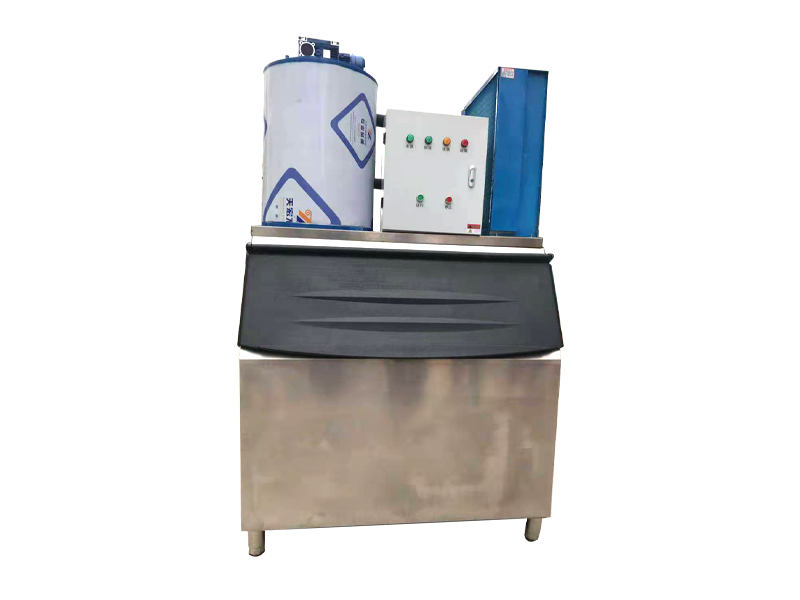
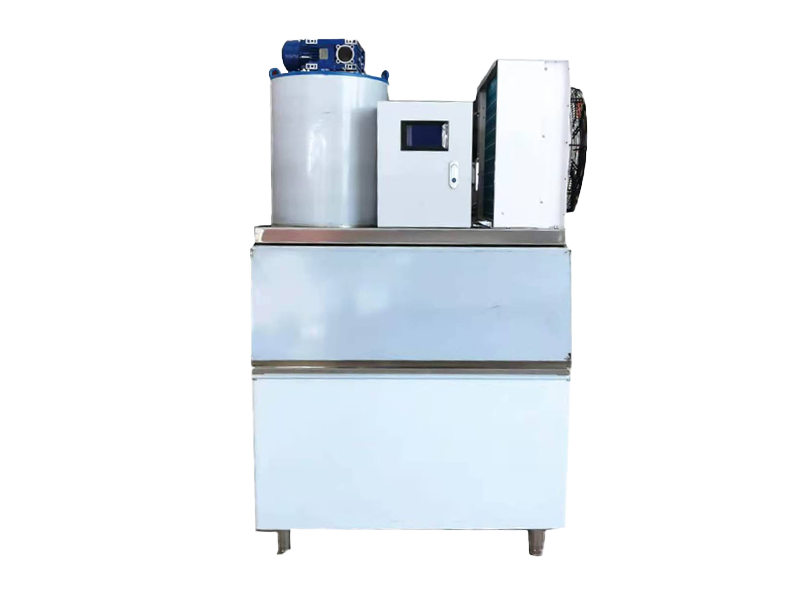
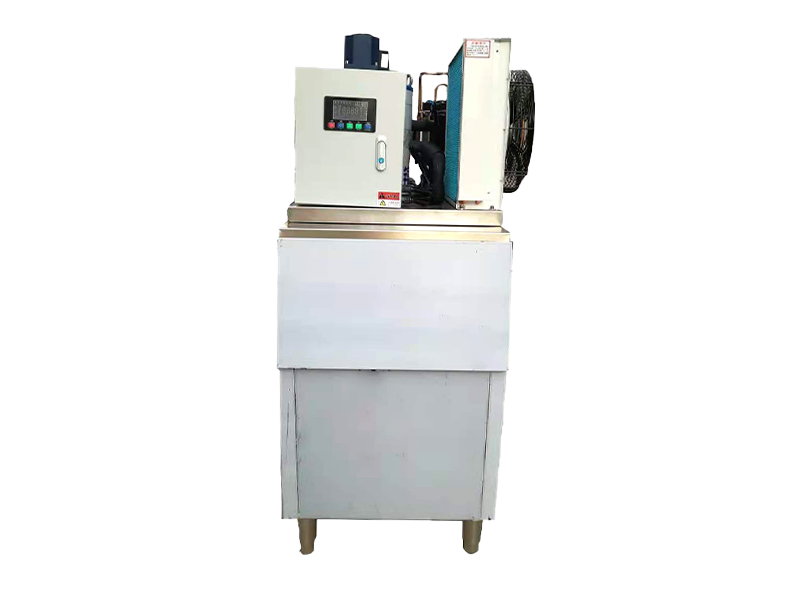
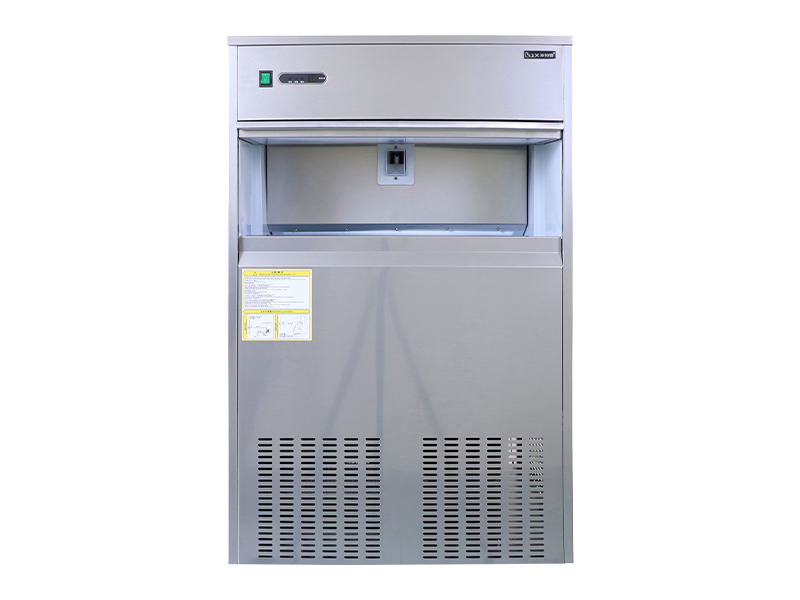
Flake ice produces thin, irregular pieces ideal for food presentation and preservation. The rapid cooling properties make flake ice essential for seafood displays, salad bars, produce departments, and meat processing facilities. The moldable nature allows flake ice to conform around products, maximizing contact area for superior cooling and preservation. Medical laboratories and pharmaceutical facilities utilize flake ice for specimen preservation and temperature-sensitive processes. Production rates for flake ice machines typically range from 400 to 2,000 pounds daily.
Gourmet ice produces larger, crystal-clear cubes or spheres measuring 1.5 to 2 inches. The clarity results from specialized freezing processes that eliminate air bubbles and impurities. Gourmet ice melts exceptionally slowly, preventing beverage dilution in premium cocktails and spirits service. High-end restaurants, craft cocktail bars, and luxury hotels invest in gourmet ice makers to enhance presentation and customer experience. These machines typically produce 50-250 pounds daily at higher price points than standard cube makers.
Gas station ice machines represent specialized commercial ice systems designed for high-volume production, automated bagging, and outdoor operation. These systems differ significantly from standard commercial ice makers in scale, automation, and revenue generation capabilities.
Gas station ice machines utilize high-capacity production units generating 1,000 to 3,000 pounds of ice per day. The system typically consists of multiple large-format ice makers feeding a massive insulated storage bin holding 500 to 1,000 pounds. This substantial capacity ensures adequate supply during peak demand periods, particularly summer weekends when ice sales surge. The ice makers operate continuously during low-demand periods to build inventory, then rely on stored ice during rush hours when production alone cannot meet demand.
The refrigeration system in gas station ice machines employs industrial-grade compressors and condensers designed for continuous duty cycles. Water-cooled or air-cooled condensers dissipate heat generated during ice production, with water-cooled systems offering superior efficiency in hot climates. The evaporator plates or cylinders freeze water into ice through direct refrigerant contact, then a harvest cycle releases completed ice into the storage bin below. Advanced models incorporate variable-speed compressors that adjust capacity based on demand, reducing energy consumption during slower periods.
Automated ice bagging systems revolutionized the convenience store ice business by eliminating manual labor and ensuring consistent bag weights. These systems automatically dispense pre-measured quantities of ice into plastic bags, seal them, and store finished products in a refrigerated merchandiser. The bagging mechanism uses load cells or volumetric measuring to achieve accurate portions, typically 5, 7, 10, 16, or 20-pound bags depending on regional preferences and market demands.
The complete ice bagging system includes the ice maker, storage bin, automatic bagger, and refrigerated merchandising unit. Ice drops from the storage bin through a chute into the bagging mechanism, which opens a pre-formed bag, fills it to the programmed weight, heat-seals the top, and deposits it into the merchandiser. Modern systems process 8-12 bags per minute, operating automatically as inventory depletes. Some advanced systems feature remote monitoring that alerts store operators when ice supply runs low or equipment malfunctions occur.
Gas station ice machines must withstand outdoor installation with exposure to extreme temperatures, precipitation, and direct sunlight. Weatherproof enclosures protect critical components while ventilation systems prevent heat buildup that reduces efficiency. Stainless steel construction resists corrosion from moisture and road salt, while powder-coated finishes provide additional protection. Sloped roofs direct water away from seams and openings, preventing moisture intrusion that could damage electronics or promote mold growth.
Temperature compensation systems maintain ice production efficiency across seasonal variations. In extreme heat, enhanced condenser capacity and auxiliary cooling fans prevent compressor overload. Cold weather packages include heaters that prevent water lines from freezing and maintain minimum operating temperatures for reliable performance. Security features like reinforced locks, tamper-resistant fasteners, and optional alarm systems protect against theft and vandalism in unsecured outdoor locations.
Proper capacity planning ensures adequate ice supply without over-investing in excessive production capability. The amount of ice required for a restaurant is approximately based on seating capacity, menu offerings, beverage sales, and operational characteristics.
Full-service restaurants typically require 1.5 to 2 pounds of ice per customer per day. This calculation accounts for water service, fountain beverages, iced tea, cocktails, and ice used in food preparation or display. A 100-seat restaurant operating at 70% average occupancy serves approximately 70 customers per meal period. With two meal periods daily, total customer count reaches 140, requiring 210-280 pounds of ice daily. Adding 20% buffer for peak days and operational contingencies yields a recommended capacity of 250-340 pounds per day.
Quick-service restaurants and fast-casual concepts consume ice primarily through fountain beverage service. These operations require 5 to 8 ounces of ice per 16-ounce beverage, with higher ice-to-beverage ratios in 20-ounce and larger sizes. A location serving 400 beverages daily needs approximately 125-200 pounds of ice for drinks alone. Additional ice supports food prep, equipment cooling, and customer self-service, bringing total requirements to 200-300 pounds daily for moderate-volume quick-service operations.
Bars and nightclubs represent the highest ice consumption category, using 3 pounds or more per customer. Mixed drinks, blended cocktails, shaken beverages, and continuous glass chilling create substantial demand. A bar serving 150 customers nightly requires 450+ pounds of ice, with weekend demand potentially doubling. Many bars install multiple ice machines or high-capacity units producing 600-1,000 pounds daily to handle peak periods without running short.
Ambient temperature significantly impacts ice machine production capacity. Manufacturers rate machines at 70°F air and 50°F water temperatures, representing ideal conditions. In hot kitchens where ambient temperatures reach 90°F or higher, ice production decreases 10-20% compared to rated capacity. Similarly, warmer incoming water temperatures reduce output. Businesses in hot climates or those with poor kitchen ventilation should oversize ice makers by 20-30% to compensate for reduced warm-weather production.
Storage capacity must align with production rates and usage patterns. A machine producing 400 pounds per day generates approximately 17 pounds per hour. During slow periods, ice accumulates in storage; during rush periods, consumption exceeds production. Storage bins should hold enough ice to cover 4-6 hours of peak demand, allowing the machine to catch up during slower periods. Undersized storage forces the ice maker to cycle on and off frequently, reducing efficiency and component lifespan.
| Operation Type | Ice per Customer | Primary Uses | Recommended Capacity |
| Full-Service Restaurant | 1.5-2 lbs | Beverages, water service, food prep | 250-500 lbs/day |
| Quick-Service Restaurant | 0.5-1 lb | Fountain drinks, iced beverages | 200-400 lbs/day |
| Bar or Nightclub | 3+ lbs | Cocktails, mixed drinks, chilling | 500-1000+ lbs/day |
| Hotel (per room) | 3-5 lbs | Guest ice, restaurants, bars, events | 300-500 lbs per 100 rooms |
| Healthcare Facility (per bed) | 10-15 lbs | Patient care, therapy, cafeteria | 1000-1500 lbs per 100 beds |
| Convenience Store | N/A (retail sales) | Bagged ice sales, fountain drinks | 500-2000+ lbs/day |
Convenience stores and gas stations represent unique ice machine applications where equipment serves dual purposes: supporting food service operations and generating retail revenue through bagged ice sales. This business model requires specialized equipment and operational strategies.
Modern convenience stores integrate ice production with fountain beverage dispensers to optimize space and efficiency. Filtered ice systems for beverage stations combine water filtration, ice making, and beverage dispensing in coordinated installations. The water filtration system removes chlorine, sediment, and dissolved minerals, improving both ice clarity and beverage taste. A single filtration system typically serves multiple ice makers and beverage dispensers, reducing equipment costs and maintenance requirements.
The ice maker feeds a dispenser located in the customer service area, allowing self-service fountain drink preparation. Many convenience stores install high-capacity dispensers holding 180-250 pounds of ice to minimize refilling frequency during busy periods. The dispenser's insulated cabinet maintains ice quality while the sanitary dispensing mechanism prevents contamination. Some systems feature separate compartments for different ice types, offering cube ice for beverages and nugget ice for blended drinks or specialty applications.
Commercial ice dispensers combine ice making, storage, and dispensing in integrated units designed for self-service environments. These machines produce 200-500 pounds of ice daily, store 100-180 pounds in insulated bins, and dispense ice through sanitary, touchless mechanisms. The dispensing system meters ice in preset portions, typically 8, 12, or 16 ounces per activation, preventing waste and ensuring consistent customer experience. Many units also dispense chilled water, providing complete beverage service functionality.
Advanced dispensers incorporate sensor-activated controls that operate without physical contact, enhancing hygiene and reducing maintenance. Antimicrobial surfaces on high-touch areas further minimize bacterial growth and cross-contamination risks. LED lighting illuminates the dispensing area, improving visibility and creating an inviting customer experience. Some models include digital displays showing ice availability and prompting for cup size selection, guiding customers through the dispensing process.
Convenience store ice machines designed for retail sales require substantially higher capacity than food service equipment. High-capacity ice machines producing 1,000 to 2,500 pounds daily ensure adequate inventory during peak summer demand. The system includes large storage bins holding 500-800 pounds, providing buffer capacity that prevents stockouts during rush periods. Automated bagging systems eliminate manual labor, operating continuously to maintain finished goods inventory in refrigerated merchandisers.
Indoor ice merchandisers maintain product quality while maximizing visibility and accessibility. These refrigerated cabinets hold 60-120 bags of ice at temperatures just below freezing, preventing melting while keeping ice in optimal condition for sale. Glass doors provide product visibility while LED lighting enhances presentation. Some locations install outdoor ice merchandisers that allow 24-hour sales without requiring store access, generating revenue during closed hours. These outdoor units feature heavy-duty construction, enhanced insulation, and security locks protecting against theft.
Commercial ice machines serve diverse industries and applications, each with specific requirements for ice type, production capacity, and dispensing methods. Understanding these applications helps businesses select appropriate equipment and optimize operational efficiency.
Restaurants, cafes, and catering operations represent the largest commercial ice machine market segment. Ice serves beverages including water, soft drinks, iced tea, coffee drinks, and alcoholic beverages. Food preparation applications include chilling ingredients, creating ice baths for rapid cooling, and maintaining cold temperatures during prep work. Salad bars and buffet lines use ice to keep prepared foods at safe temperatures during service. Display applications showcase seafood, produce, and specialty items on beds of ice, maintaining quality while creating attractive presentations.
Hospitals, clinics, nursing homes, and rehabilitation centers utilize ice for patient care, therapeutic applications, and laboratory processes. Patient rooms require ice for hydration and comfort, with many facilities providing ice and water dispensers on each floor. Physical therapy departments use ice for injury treatment, post-surgical recovery, and inflammation reduction. Laboratory applications include specimen preservation, maintaining reagent temperatures, and cooling sensitive equipment. Healthcare facilities prioritize sanitary ice production, often specifying nugget ice for its soft, chewable characteristics preferred by patients.
Hotels, motels, resorts, and short-term rentals install ice machines on guest floors for traveler convenience. Guest ice serves in-room beverages, cooler packing for outdoor activities, and personal use. On-site restaurants, bars, room service, and banquet facilities require additional ice production capacity. Many properties install multiple ice makers: small dispensers on guest floors producing 100-200 pounds daily, and large-capacity units serving food service operations with 500-1,000 pound daily production. Premium properties may provide in-room ice makers in suites and concierge-level accommodations.
Supermarkets, specialty food stores, and seafood markets rely on flake ice for product preservation and display. Seafood departments use hundreds of pounds daily to maintain proper temperatures in display cases, preventing bacterial growth and preserving product quality. Produce departments mist and ice certain vegetables to maintain freshness and prevent wilting. Meat departments utilize ice during processing and packaging operations. Many stores also sell bagged ice to customers, requiring dedicated production and packaging systems. Large supermarkets may operate multiple ice machines producing 2,000+ pounds combined daily capacity.
These locations serve both food service and retail ice sales functions. Fountain beverage programs require 200-400 pounds of cube ice daily for customer self-service dispensers. Retail ice sales generate significant revenue, particularly during summer months, requiring high-capacity production and automated bagging systems. Many convenience stores position ice as a destination product, using competitive pricing to drive traffic. The combined ice requirements often exceed 1,000 pounds daily during peak seasons, necessitating robust commercial systems with substantial production capacity and storage.
Food processing plants, commercial bakeries, and industrial kitchens use ice for temperature control during manufacturing processes. Bakeries add ice to dough mixing to prevent overheating from friction, maintaining precise temperatures that affect yeast activity and gluten development. Meat processing facilities use ice to chill products rapidly after processing, ensuring food safety and quality. Chemical and pharmaceutical laboratories require ice for reaction temperature control, sample preservation, and equipment cooling. These industrial applications often demand continuous ice availability, driving selection of high-capacity, commercial-grade equipment with redundant systems preventing production interruptions.
Small commercial kitchens in cafes, food trucks, small restaurants, and office break rooms face unique challenges balancing ice production needs with limited space. Compact filtered ice makers address these constraints while maintaining commercial reliability and output quality.
Compact commercial ice makers fit standard under-counter spaces measuring 15, 18, or 24 inches wide. These units typically stand 32-34 inches tall, allowing installation beneath standard counter height while maintaining adequate clearance for ventilation. Production capacities range from 50 to 250 pounds per day, sufficient for operations serving 30-100 customers daily. Built-in storage bins hold 20-50 pounds of ice, providing adequate buffer between production cycles and usage spikes.
Air-cooled models dominate the compact category due to simpler installation requirements compared to water-cooled alternatives. These units require only electrical connection and water supply, eliminating the need for drain lines to remove condenser water. Front-breathing designs allow installation in tight spaces with limited side clearance, pulling cooling air through front vents and exhausting heat from the top or front. This ventilation pattern enables installation in enclosed cabinets or tight spaces where traditional ice makers would overheat.
Compact filtered ice makers incorporate water filtration directly into the unit or feature dedicated filter mounting locations. Filtration removes chlorine, sediment, scale-forming minerals, and contaminants that affect ice taste, clarity, and machine longevity. Multi-stage filtration systems combine sediment filters removing particles down to 5 microns with activated carbon filters eliminating chlorine and organic compounds. Scale inhibitor filters prevent mineral deposits from accumulating on evaporator surfaces, maintaining efficiency and extending service intervals.
Filter life varies by water quality and ice production volume, typically requiring replacement every 3-6 months. Some systems incorporate filter life indicators that monitor water volume or time elapsed, alerting operators when replacement is needed. Quick-change filter cartridges simplify maintenance, allowing staff to replace filters without tools or specialized training. Proper filtration reduces maintenance costs, prevents off-tastes in beverages, and ensures consistent ice quality that meets customer expectations.
Energy-efficient compact ice makers reduce operating costs while supporting sustainability goals. ENERGY STAR certified models consume 10-15% less energy and 20-30% less water than standard units, generating significant savings over the equipment's 5-10 year lifespan. Enhanced insulation minimizes heat transfer into storage bins, reducing melt and the energy required to replace it. Efficient compressors and optimized refrigeration cycles maximize ice production per kilowatt-hour consumed.
Smart harvest controls detect when ice reaches optimal thickness and initiate release cycles, preventing energy waste from over-freezing. Some models feature programmable timers that reduce or pause ice production during predictable low-demand periods, such as overnight in operations that close. Water-saving harvest mechanisms minimize the water required to release ice from evaporator surfaces, important in regions with high water costs or conservation requirements. Over the equipment's lifetime, energy-efficient models typically recover their premium purchase price through reduced utility costs.
Proper installation and regular maintenance ensure optimal ice machine performance, longevity, and hygiene. Understanding these requirements helps businesses plan installation costs and develop effective maintenance schedules.
Commercial ice machines require adequate clearance for ventilation, with manufacturers typically specifying 6-12 inches on sides and rear. Insufficient clearance causes overheating, reducing ice production and shortening compressor life. Air-cooled units need unobstructed airflow paths, making installation in enclosed cabinets problematic without ventilation modifications. The installation location should maintain ambient temperatures between 50°F and 90°F for optimal performance, avoiding areas near ovens, dishwashers, or direct sunlight.
Water supply connections require dedicated lines with shut-off valves for service and emergency situations. Supply lines should be 1/4 inch or 3/8 inch copper or braided stainless steel rated for potable water. Water pressure should fall between 20-80 PSI; higher pressures require regulators preventing component damage. Floor drains positioned near ice machines facilitate water removal during cleaning and emergency overflow situations. Electrical connections must match the unit's voltage and amperage requirements, with dedicated circuits recommended for units drawing more than 10 amps.
Regular cleaning prevents biofilm buildup, mineral scale accumulation, and contamination that compromises ice quality and safety. Manufacturers recommend professional cleaning every 6 months minimum, with higher frequency in hard water areas or high-production environments. The cleaning process involves disassembling accessible components, applying food-safe cleaning solutions to dissolve minerals and organic deposits, thoroughly rinsing all surfaces, and sanitizing with approved antimicrobial agents.
Daily maintenance tasks include inspecting ice quality for cloudiness or off-odors indicating contamination, wiping exterior surfaces, and checking that ice bins remain properly closed. Weekly tasks involve cleaning or replacing air filters, inspecting door gaskets for proper sealing, and removing any ice bridging in storage bins. Monthly maintenance includes descaling when mineral buildup becomes visible and verifying proper drainage to prevent standing water that promotes bacterial growth. Documentation of cleaning and maintenance activities supports food safety programs and regulatory compliance.
Reduced ice production often results from dirty condenser coils, clogged water filters, or ambient temperature extremes. Cleaning condenser coils quarterly or more frequently in dusty environments restores cooling efficiency. Replacing water filters when flow decreases prevents insufficient water supply to ice-making components. Hollow or irregularly shaped ice indicates inadequate water supply, requiring filter replacement or supply line inspection for restrictions.
Ice with unusual taste or odor suggests contamination requiring immediate cleaning and sanitization. The problem may stem from biofilm in water lines, dirty storage bins, or contaminated water supply. Addressing taste issues promptly prevents customer complaints and potential health code violations. Machines that cycle continuously without producing ice may have refrigeration system failures, requiring professional service to diagnose compressor, refrigerant, or control system problems. Understanding basic troubleshooting enables quick resolution of minor issues while recognizing when professional service is necessary.
Choosing appropriate ice-making equipment requires evaluating operational needs, space constraints, budget considerations, and long-term operational costs. A systematic selection process ensures the chosen equipment meets current demands while accommodating reasonable growth.
Initial purchase price represents only one component of ice machine costs over its operational life. Energy consumption creates ongoing expenses, with inefficient machines potentially costing hundreds of dollars annually more than efficient models. Water consumption adds costs in areas with metered water and sewer charges. Maintenance expenses include filter replacements, professional cleaning services, and eventual component repairs or replacement. Downtime costs from equipment failures can significantly impact operations, making reliability a critical selection factor.
Premium ice machines with higher initial costs often deliver superior total cost of ownership through reduced energy consumption, longer service life, and fewer repairs. Warranty coverage varies by manufacturer and model, with standard warranties covering 1-3 years on parts and labor, and extended compressor warranties up to 5 years. Service contract options provide predictable maintenance costs and priority response when issues arise. Evaluating total cost of ownership over the expected 7-10 year equipment life provides more accurate cost comparison than purchase price alone, helping businesses make financially sound investment decisions.
Nugget ice has a way of making a drink feel more inviting. The small, irregular pieces are soft enough to chew, porous enough to hold a little syrup or citrus, and quick to chill a glass without the ...
A water ice machine for home is not simply a smaller version of a restaurant ice maker. At home, the machine has to fit into a daily routine: it should be easy to fill, quiet enough for an open kitch...
Tel: +86-0512-52438810
E-mail: [email protected]
Fax: +86-0512-52438870
Add: Wangzhuang industrial area, Shanghu Town, Changshu, Jiangsu, China.

Copyright © Changshu Shenghai Electric Appliances Co., Ltd.All Rights Reserved. Custom air cooling flake ice machine